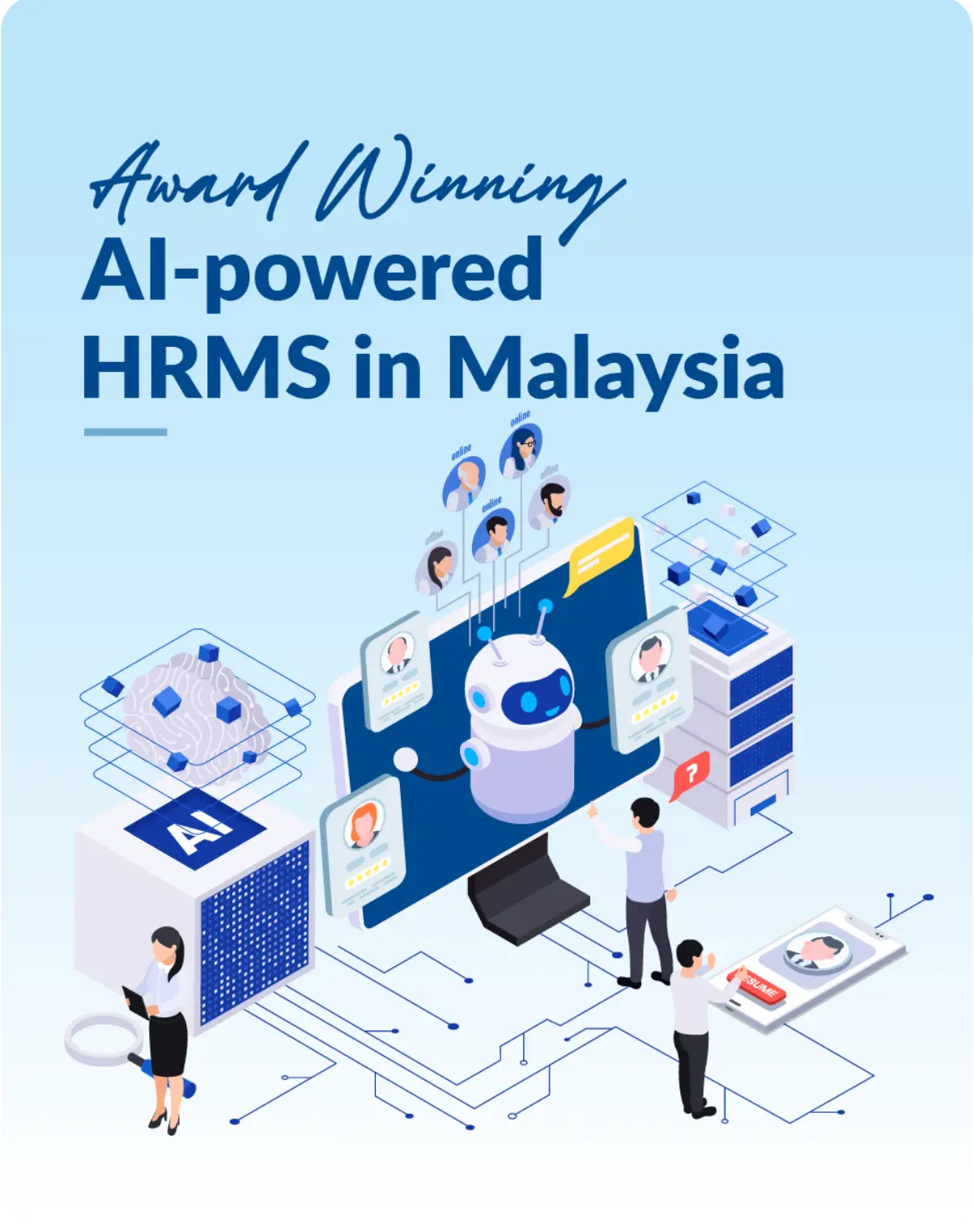
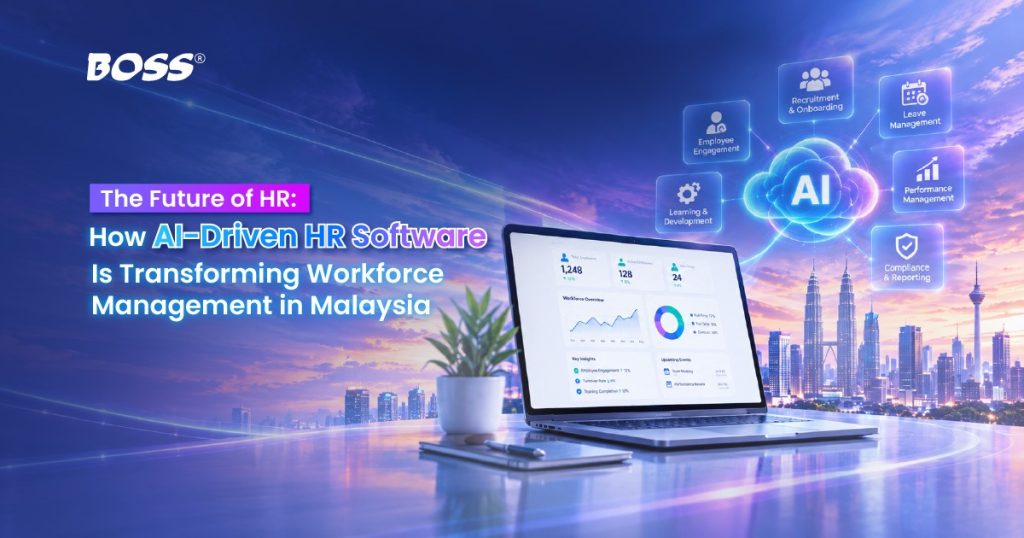
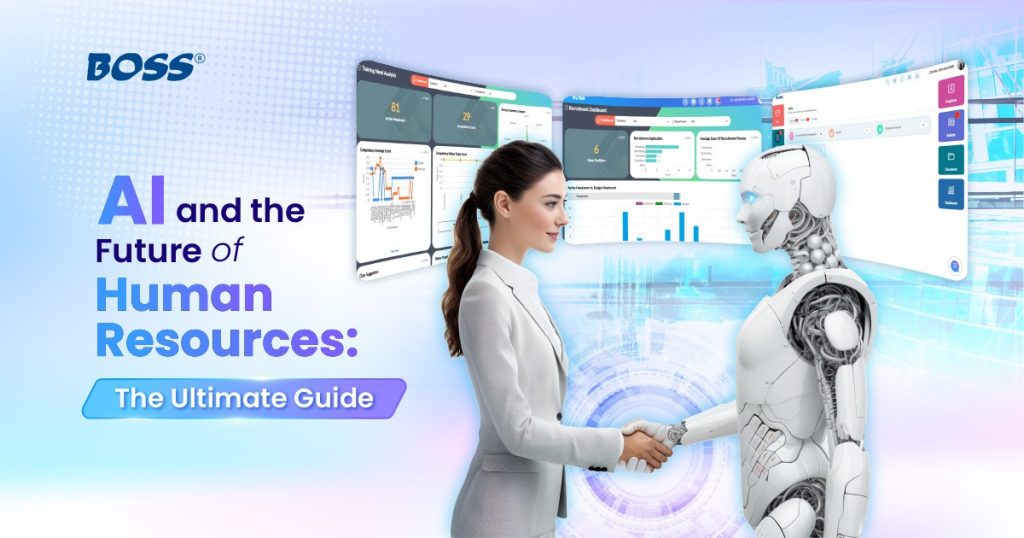
Artificial Intelligence (AI) in Human Resources (HR) is transforming traditional workforce management. By leveraging machine learning, algorithms, and intelligent systems, organizations can automate repetitive administrative tasks, gain actionable insights, and make faster, data-driven decisions. Beyond efficiency, integrating AI into HR improves the overall employee experience by eliminating operational friction—allowing HR professionals to step away from busywork and focus on strategic, human-centric priorities.
The Key AI Technologies Powering Modern HR
Today’s modern HR stack relies on an ecosystem of complementary AI technologies:
- AI Agents: Autonomous systems that learn and retain memory over time. They handle specific goals with minimal human supervision, such as sourcing talent, administering benefits, and tracking regulatory compliance.
- AI Assistants: Advanced natural language processors that go far beyond basic chatbots. They guide employees through complex onboarding procedures, answer policy questions, and resolve routine inquiries 24/7.
- Automation & RPA (Robotic Process Automation): Software bots that handle repetitive rules-based tasks like data entry, record maintenance, and basic resume filtering.
- Generative AI: Content-creation systems used to draft job descriptions, design tailored interview questions, write company announcements, and build personalized training materials in seconds.
- Natural Language Processing (NLP): Technology that reads, interprets, and analyzes human language. It powers sentiment analysis, resume parsing, and internal communication reviews.
- Predictive Analytics: Forecasting tools that analyze historical workforce data to project future staffing needs, evaluate compensation structures, identify retention risks, and map out upskilling programs.
Key Use Cases: How HR Uses AI Across the Employee Lifecycle
1. Talent Acquisition & Hiring
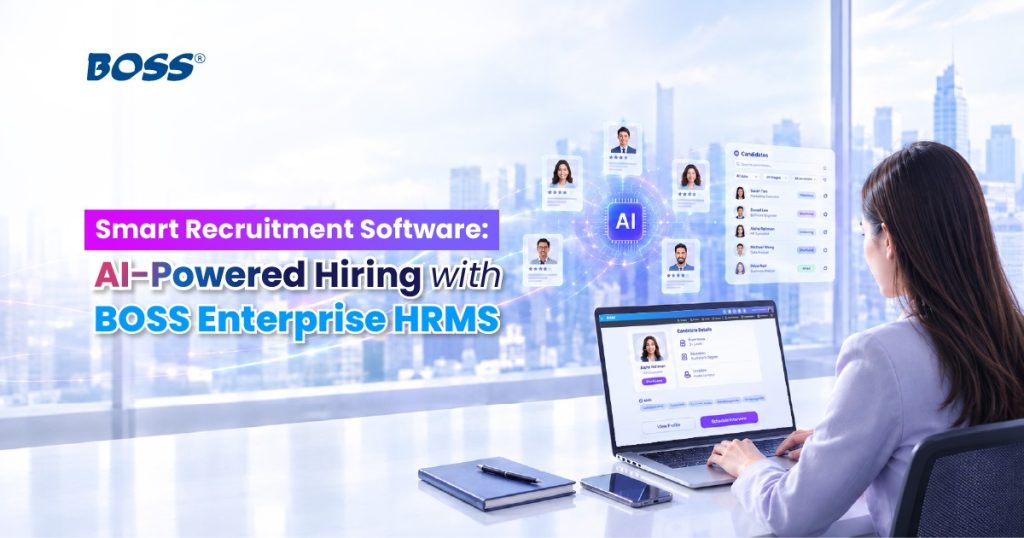
AI algorithms streamline recruitment by scanning job boards and professional networks to source qualified candidates. Automated tools reduce hiring bias by screening resumes objectively based on qualifications. Additionally, AI automates interview logistics, coordinates schedules, and generates transcripts to speed up time-to-hire.
2. Tailored Employee Onboarding
AI creates personalized onboarding pathways based on a new hire’s specific role and background. Interactive virtual assistants walk employees through orientation paperwork at their own pace, while intelligent systems handle account setups and document verification seamlessly.
3. Professional Development & Upskilling
AI-powered learning platforms deliver customized training modules matched to an individual employee’s goals and learning style. Predictive succession-mapping tools also evaluate internal talent pools to flag high-potential employees for leadership tracks.
4. Dynamic Performance Management
Continuous feedback systems driven by AI track performance patterns, facilitate regular check-ins, and highlight department-wide productivity trends. This replaces outdated annual reviews with dynamic, data-backed insights.
5. Employee Engagement & Retention
AI tailors internal communications to individual preferences and monitors engagement metrics to catch potential burnout early. Self-service portals give employees instant access to HR support, driving satisfaction and lowering turnover.
6. Administrative Operations & Compliance
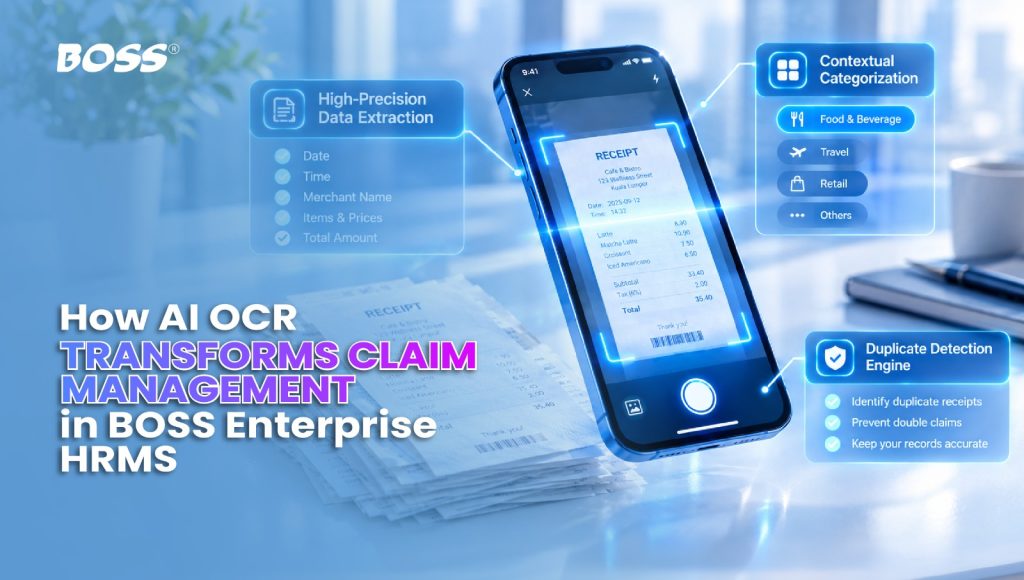
Process automation drastically reduces administrative burdens like report generation and data entry. Meanwhile, automated compliance tools monitor real-time policy updates to mitigate organizational risk.
Core Benefits of AI Implementation in HR
- Increased Productivity: Eliminates tedious manual paperwork and automates routine workflows.
- 24/7 Availability: Provides continuous support to global workforces across different time zones.
- Data-Driven Decision Making: Delivers clear, objective workforce insights instead of relying on gut feeling.
- Elevated Employee Experience: Delivers fast answers, personalized growth paths, and frictionless internal processes.
- Strategic Business Focus: Shifts the HR team’s role from purely administrative to a strategic business driver.
- Cost Reduction: Lowers cost-per-hire, optimizes learning budgets, and minimizes operational inefficiencies.
5 Best Practices for Building an AI-Ready HR Department
- Define Clear AI Goals: Establish specific metrics for success before adopting new tools (e.g., target time-to-hire, reduced administrative hours, or employee retention milestones).
- Ensure Data Readiness: Audit existing employee data for accuracy, clean up duplicate records, break down data silos, and institute strict data privacy policies.
- Upgrade Technical Infrastructure: Evaluate current HRIS platforms to ensure secure API integrations, scalable cloud storage, and robust data encryption.
- Upskill HR Professionals: Train HR teams in basic AI fundamentals, prompt engineering, data literacy, and ethical compliance to maximize tool adoption.
- Prioritize Change Management: Foster an organizational culture that views AI as an empowering tool rather than a threat, emphasizing human-AI collaboration and continuous learning.
The integration of AI into human resources is far more than a technological upgrade—it is a fundamental shift in how organizations manage, support, and develop their workforce. By automating repetitive tasks and unlocking deep data insights, AI allows HR departments to evolve from operational back-offices into core strategic drivers of business growth.
Ultimately, successful AI adoption doesn’t replace the human touch; it enhances it. By letting intelligent tools handle the administrative heavy lifting, HR leaders gain the time and capacity to focus on what matters most: nurturing workplace culture, fostering talent, and building agile, resilient organizations for the future.