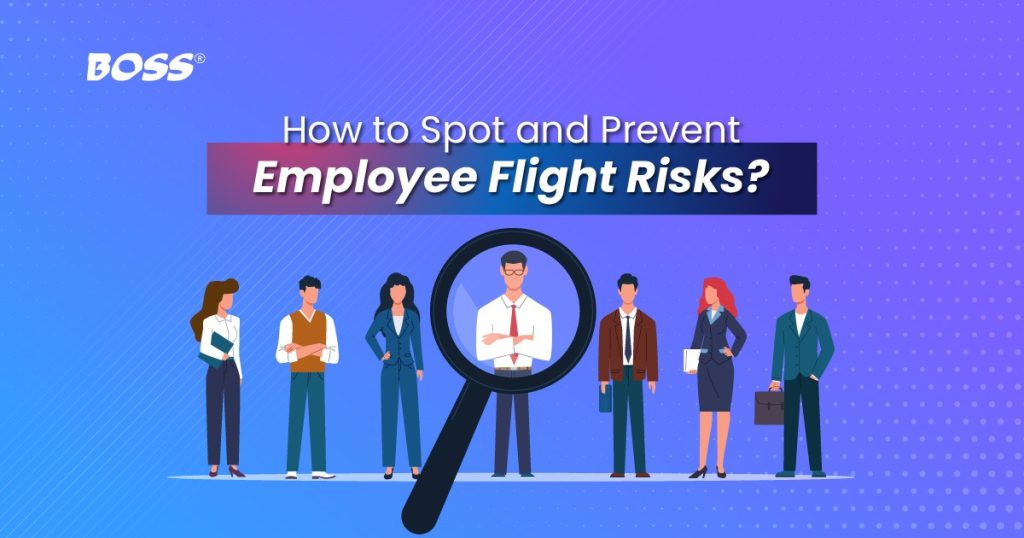
An employee turning in a sudden resignation letter hurts the business far more today than ever before. With modern talent acquisition becoming increasingly competitive, organizations face an ongoing challenge: keeping top performers engaged before they decide to walk out the door. For human resource professionals, managing voluntary turnover isn’t just about filling a sudden gap; it is about avoiding operational disruption and protecting company profitability. To do that, HR must evolve from a reactive function into a proactive partner capable of identifying a flight risk employee before the exit interview.
What is a “Flight Risk” Employee?
In professional HR terms, a flight risk refers to an employee who is highly likely to leave the organization in the near future. This could be due to an external opportunity, workplace dissatisfaction, inadequate compensation, or changing personal priorities.
When a key team member leaves voluntarily, the ripple effects hit the entire business:
- Operational Disruption: Teams lose momentum, and remaining employees face increased workloads, driving down morale.
- Sunk Costs: Significant time and capital are lost on onboarding a replacement and covering temporary gaps.
- Lost Institutional Knowledge: Unique skills and internal expertise walk straight out the door to competitors.
While some attrition is inevitable—such as retirement or major life relocations—most causes of flight risk can be completely minimized with a proactive HR strategy.
The Subtle Warning Signs of an Impending Resignation
Before an employee resigns, they almost always drop subtle behavioral clues. HR leaders and managers should watch out for these key indicators:
- Changes in Work Habits: A sudden drop in productivity, missing deadlines consistently, or a habit of turning up late to meetings.
- Disengagement: Displaying a clear lack of motivation during routine day-to-day tasks or showing zero interest in professional development.
- The “Bare Minimum” Approach: Doing just enough to keep managers happy, while refusing to volunteer for new projects or strategic initiatives.
- Increased Absenteeism: Taking far more casual leave, sick days, or unpaid time off than usual.
- Major Life Transitions: Going through significant personal milestones (marriage, a new baby, or family health changes) that naturally cause a shift in professional priorities.
How to Conduct an Employee Flight Risk Assessment
Instead of waiting for warning signs to become permanent departures, forward-thinking HR teams use a structured assessment process to protect their talent infrastructure.
Step 1: Aggregate Historical Data
Look back at past departures to identify common trends. Analyze the timeline between their promotions, their last performance review scores, peer feedback, and how long they stayed in a specific role before resigning.
Step 2: Leverage Advanced People Analytics
Manually tracking these patterns across spreadsheets is incredibly time-consuming and prone to human error. This is where modern HR technology steps in. By utilizing enterprise tools, HR can automatically analyze workplace behaviors to flag underlying flight risks.
Step 3: Prioritize via a Risk Matrix
Once potential risks are identified, map them onto a simple four-quadrant matrix based on Likelihood of Leaving vs. Impact of Departure. An employee with a high likelihood of leaving whose departure would severely impact operations (due to specialized skills or leadership roles) requires immediate corporate attention.
Step 4: Take Tailored Action
For high-priority employees, HR can instantly deploy targeted retention strategies, such as stay interviews, job satisfaction questionnaires, or updated career progression roadmaps.
Act Before They Leave: How BOSS AI Flight Risk Management Works
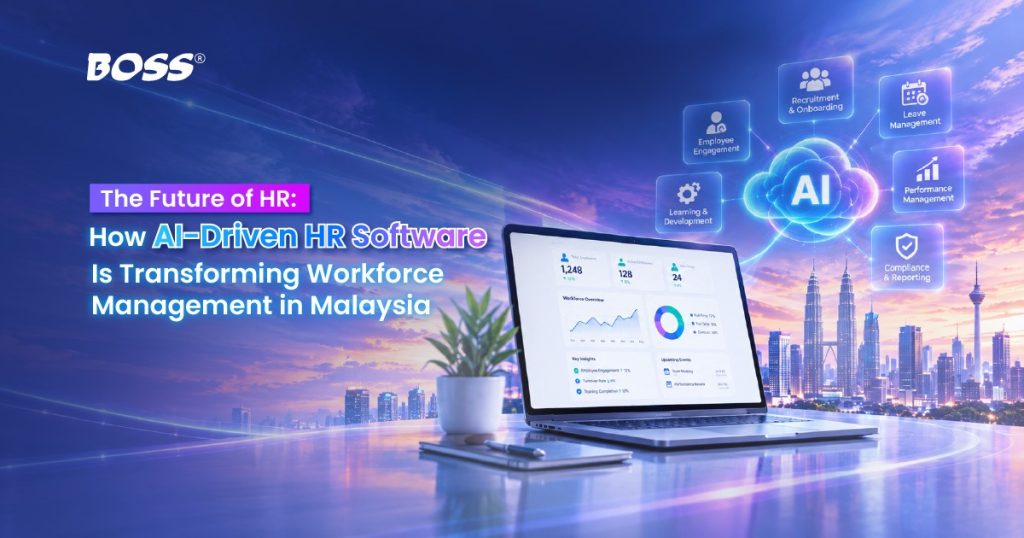
Employee turnover is a silent profit killer. When a high-performing employee resigns, the business loses much more than just a headcount—it loses institutional knowledge, team productivity, and overall workplace morale. To help organizations stay ahead of the curve, BOSS Enterprise HRMS features an award-winning AI Flight Risk Management engine. This tool shifts HR teams from reacting to sudden departures to proactively strengthening workforce stability.
Instead of relying on managers to spot the subtle, late-stage signs of disengagement, the built-in AI continuously evaluates systemic behavioral data points across the platform. By securely analyzing shifts in attendance trends, daily engagement metrics, and individual performance consistency, the system flags underlying vulnerabilities long before they turn into resignation letters.
When the system detects a potential flight risk, it instantly delivers an early alert to HR. This gives leadership a crucial window of opportunity to step in with meaningful retention strategies—whether that means offering career development paths, addressing burnout through well-being initiatives, or adjusting total rewards.
Key Strategic Benefits
Spot Potential Leavers Early: Shift from reactive exit interviews to predictive, real-time alerts that give you time to act.
- Retain Valuable Talent: Protect your business from losing specialized skills, leadership pipelines, and critical institutional knowledge to competitors.
- Strengthen Workforce Stability: Keep team momentum intact, avoiding the drop in morale and increased workloads that usually follow a sudden departure.
- Drastically Reduce Turnover Costs: Save thousands in expensive recruitment fees, onboarding time, and lost productivity.
By turning daily workplace data into actionable empathy and real retention strategies, BOSS HRMS frees your HR team from administrative friction, transforming them into modern engines for business growth.
Ready to Transform Your Retention Strategy?
Don’t let your organization’s greatest competitive advantage walk out the door. Protect your workforce, automate your compliance, and leverage predictive AI to keep your top performers engaged. Book a personalized demo with BOSS Enterprise HRMS today and discover how Malaysia’s leading HRMS platform can secure your talent pipeline.