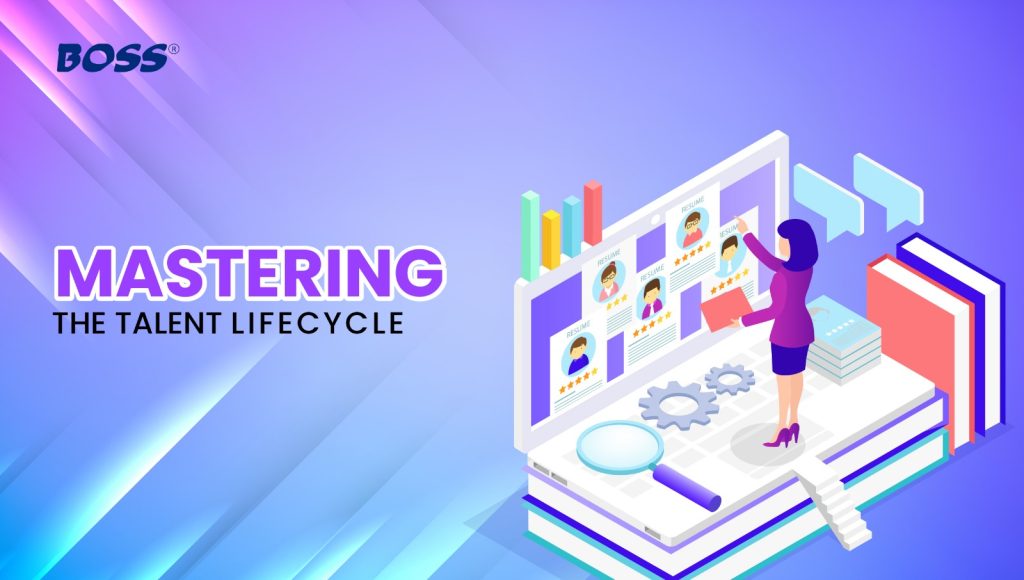
Whether you are a scaling start-up or an established multinational, the process of finding, selecting, and integrating the right talent is the single most important driver of long-term success. However, recruitment is no longer just about “filling a vacancy.” It is a sophisticated, multi-stage lifecycle that requires strategic planning and precision. In this guide, we break down the 12 essential pillars of the talent acquisition process from initial workforce planning to the final moments of onboarding.
1. Workforce Planning: The Strategic Foundation
Before a single job ad is posted, high-performing HR teams engage in Workforce Planning. This involves analyzing your future staffing needs based on specific business goals and growth projections. Are you expanding into a new market in 2027? Do you have a wave of retirements approaching? By aligning your hiring roadmap with your business strategy, you ensure that you aren’t just reacting to resignations, but proactively building a talent pipeline that supports your company’s vision.
2. Job Analysis: Defining the “What” and “How”
Job Analysis is the investigative phase. It involves gathering deep insights into the actual duties, responsibilities, and requirements of a role. This isn’t about what a manager thinks someone does; it’s about documenting the day-to-day realities of the position. Effective job analysis prevents “role creep” and ensures that the expectations set for a new hire are realistic and achievable.
3. Crafting Impactful Job Descriptions
Once the analysis is complete, it must be codified into a Job Description (JD). A great JD does more than list tasks; it documents essential functions, required qualifications, and clear expectations. In a competitive market, your JD is also a marketing tool. It should reflect your company culture and value proposition, helping candidates visualize their future within your organization.
4. Competency Modelling: Beyond the Resume
Technical skills are important, but Competency Modelling defines the “DNA” of success in a role. This involves identifying the soft skills and attributes—such as emotional intelligence, leadership potential, or adaptability—needed to thrive. By defining these key attributes early, you create a benchmark that allows for a more objective evaluation of candidates later in the funnel.
5. Strategic Sourcing: Finding the “Purple Squirrel”
Sourcing is the active process of identifying and engaging both active and passive candidate pools. While active candidates are looking for you, passive candidates (those currently employed and not looking) often represent the top 10% of talent. Utilizing various channels—LinkedIn, niche job boards, and industry events—allows you to cast a wider net and find specialized talent that a simple “Post and Pray” strategy would miss.
6. Employee Referrals: Your Secret Weapon
Your current team is your best recruitment agency. Employee Referrals leverage the professional networks of your staff to identify high-quality potential candidates. Referred hires typically stay longer, perform better, and integrate into the company culture faster because they already have a trusted point of contact within the firm.
7. Comprehensive Candidate Assessment
Evaluating a candidate’s qualifications and “fit” requires a multi-layered Candidate Assessment strategy. This includes:
- Evaluating a candidate’s qualifications and “fit” requires a multi-layered Candidate Assessment strategy. This includes:
- Initial Screening: Checking for basic requirements.
- Skill Testing: Using technical assessments or work samples.
- Reference Checks: Verifying past performance through professional contacts.
This stage is designed to filter out the noise and identify the few individuals who truly possess the skills they claim on their CV.
8. The Power of Behavioural Interviewing
Traditional interviews often lead to “scripted” answers. Behavioural Interviewing changes the game by questioning candidates about past experiences to predict future performance. By asking, “Tell me about a time you failed and how you handled it,” you gain insight into a candidate’s problem-solving skills and resilience in real-world scenarios.
9. Selection: The Art of the Final Choice
The Selection phase is where data meets intuition. It involves choosing the best candidate based on a balanced scorecard of job requirements, cultural fit, and team dynamics. The goal is to find someone who not only has the skills to do the job but also adds value to the existing team culture.
10. Offer Negotiation: Closing the Deal
Once you’ve found “The One,” the Offer Negotiation begins. This isn’t just about the salary; it’s about the total rewards package, including benefits, remote work flexibility, and the start date. A successful negotiation leaves both the employer and the new hire feeling valued and excited for the journey ahead.
11. Due Diligence: Background Checks
Before the contract is finalized, Background Checks are a mandatory safety net. Conducting criminal history, credit checks (where relevant), and employment verification protects the organization from liability and ensures that you are bringing a person of integrity into your workspace.
12. Onboarding: Turning New Hires into Top Performers
The process doesn’t end when the contract is signed. Onboarding is the critical final step of orienting new hires to the organization’s policies, procedures, and culture. A structured onboarding program—lasting from the first week to the first 90 days—reduces “new hire anxiety” and accelerates the time it takes for a person to become a fully productive member of the team.
Building a world-class team requires more than just luck; it requires a disciplined adherence to the talent lifecycle. By investing time in everything from workforce planning to onboarding, you create an environment where top talent wants to stay and grow.