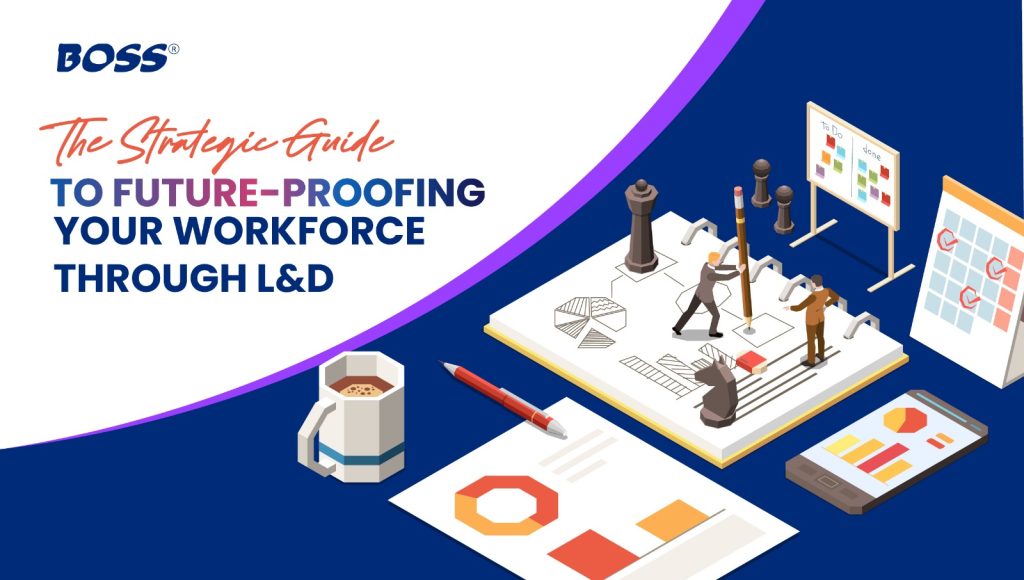
In an era where “skills half-life” is shrinking faster than ever, your company’s greatest asset isn’t your product or your intellectual property, it is the agility of your people. As we navigate the complexities of 2026, organizations that view Learning & Development (L&D) as a “nice-to-have” luxury are quickly being left behind. Those that view it as a core business strategy, however, are unlocking unprecedented levels of innovation and employee loyalty.
But how do you move beyond random workshops and “tick-the-box” training sessions?
Building a truly future-ready workforce requires a deliberate, 360-degree approach. It starts with a precise Needs Assessment to identify hidden skill gaps and extends into immersive experiences like Job Rotation and Cross-Training. It’s about balancing the “Hard” technical mastery of new tools with the “Soft” interpersonal skills that make a team cohesive. In this guide, we dive deep into the 15 essential pillars of a modern development ecosystem, from the first day of Onboarding to the long-term vision of Succession Planning.
The Importance of Training and Development in the Workplace
Training and development play a critical role in ensuring employees have the skills and knowledge required to perform their roles effectively. As industries evolve, organizations must ensure that their workforce keeps pace with technological advancements, market trends, and new business strategies. Companies that actively invest in employee development often experience several benefits, including improved productivity, stronger employee morale, and reduced turnover. When employees feel supported in their professional growth, they are more motivated to contribute to the organization’s success. Furthermore, training programs help businesses prepare employees for future roles, ensuring a steady pipeline of talent for leadership and specialized positions.
Needs Assessment: Identifying Skill Gaps
Every successful training program begins with a needs assessment. This process involves identifying the gap between employees’ current skill levels and the competencies required for their present and future roles. Organizations typically conduct needs assessments through performance evaluations, employee surveys, skills assessments, and feedback from managers. By analyzing this information, HR teams can determine which areas require improvement and design targeted training programs that address these gaps.
A thorough needs assessment ensures that training initiatives are relevant, effective, and aligned with organizational goals.
Onboarding: Setting the Foundation for Success
Onboarding is often the first step in an employee’s learning journey within an organization. A structured onboarding program helps new hires understand their roles, responsibilities, and the company’s culture. During onboarding, employees are introduced to workplace policies, team members, workflows, and organizational expectations. Effective onboarding not only accelerates productivity but also helps new employees feel welcomed and supported from the beginning of their employment. Organizations that implement strong onboarding programs often see higher employee satisfaction and lower turnover rates.
On-the-Job Training: Learning Through Experience
On-the-job training allows employees to gain practical knowledge by performing their tasks in the actual work environment. Instead of learning solely through theoretical instruction, employees acquire skills through real-world application. This type of training is highly effective because it enables employees to develop confidence and competence while contributing to daily operations. Supervisors or experienced colleagues typically guide employees through the learning process, providing feedback and support along the way.
Job Shadowing: Observing Experts in Action
Job shadowing is another valuable training method that involves employees observing experienced colleagues while they perform their duties. By closely following a skilled professional, employees can gain insights into the responsibilities, decision-making processes, and challenges associated with a particular role. This method is particularly useful for employees preparing for promotions or considering career transitions within the organization. Job shadowing provides practical exposure that helps employees understand the expectations of different positions.
Mentoring: Building Strong Professional Relationships
Mentoring programs pair experienced employees with less experienced colleagues to provide guidance, advice, and support. Mentors share their knowledge, experiences, and insights to help mentees navigate their professional development. Mentoring relationships foster trust and encourage knowledge transfer within the organization. They also contribute to employee confidence, career progression, and stronger workplace relationships.
Job Rotation and Cross-Training: Expanding Skill Sets
Organizations often use job rotation and cross-training to develop versatile employees. Job rotation involves moving employees between different roles or departments, allowing them to gain exposure to various functions within the organization. Cross-training, on the other hand, teaches employees how to perform tasks typically handled by their colleagues. This approach increases workforce flexibility and ensures that operations continue smoothly even when key employees are unavailable. Both strategies promote collaboration, reduce skill silos, and prepare employees for broader responsibilities in the future.
Continuous Learning: Encouraging Lifelong Development
Continuous learning is essential for maintaining a competitive workforce. Organizations can promote ongoing development by providing access to training workshops, online learning platforms, and professional development resources. Encouraging employees to pursue new knowledge helps them stay updated with industry trends and emerging technologies. Continuous learning also demonstrates an organization’s commitment to employee growth, which can significantly enhance engagement and retention.
Tuition Reimbursement and Professional Development Opportunities
Many organizations offer tuition reimbursement programs to support employees pursuing job-related courses or academic degrees. By providing financial assistance, companies encourage employees to expand their expertise and develop specialized skills that benefit the organization. In addition to formal education, companies often sponsor employees to attend industry conferences and seminars. These events provide valuable opportunities for networking, knowledge sharing, and exposure to the latest developments in the field.
Leadership Development: Preparing Future Leaders
Developing future leaders is a key component of long-term organizational success. Leadership development programs are designed to cultivate the skills required for managerial and executive roles. These programs may include leadership workshops, strategic thinking training, team management courses, and decision-making exercises. By identifying high-potential employees and investing in their growth, organizations ensure a strong leadership pipeline.
Coaching: Personalized Guidance for Growth
Coaching provides employees with one-on-one guidance aimed at improving performance and overcoming challenges. Unlike traditional training, coaching focuses on individual strengths and areas for improvement. Through regular feedback and personalized support, coaches help employees refine their skills, build confidence, and achieve their professional goals. Coaching is particularly valuable for leadership development and performance improvement initiatives.
Succession Planning: Ensuring Organizational Continuity
Succession planning is a strategic process that involves identifying and preparing employees to fill critical roles in the future. By developing internal talent, organizations reduce the risks associated with sudden leadership changes or employee departures. Succession planning ensures business continuity by creating a clear pathway for career advancement and leadership transition. It also motivates employees by demonstrating that the organization values their long-term development.
Technical and Soft Skills Training
Training programs typically focus on two main categories of skills: technical skills and soft skills. Technical skills training helps employees develop expertise in specific tools, technologies, or job-related processes. This type of training is essential for maintaining operational efficiency and adapting to technological advancements. Soft skills training, on the other hand, focuses on interpersonal and communication abilities such as teamwork, public speaking, leadership, and problem-solving. These skills are crucial for effective collaboration and workplace relationships.
Organizations that balance both types of training create well-rounded employees who can perform effectively in both technical and interpersonal aspects of their roles.
Training and development are essential investments for organizations seeking long-term success. By implementing structured programs such as onboarding, mentoring, job rotation, leadership development, and continuous learning, businesses can build a highly skilled and adaptable workforce.
A strong training strategy not only improves employee performance but also strengthens organizational culture, enhances employee satisfaction, and prepares businesses for future challenges. In a world where skills and technologies evolve rapidly, organizations that prioritize learning and development will always stay ahead.