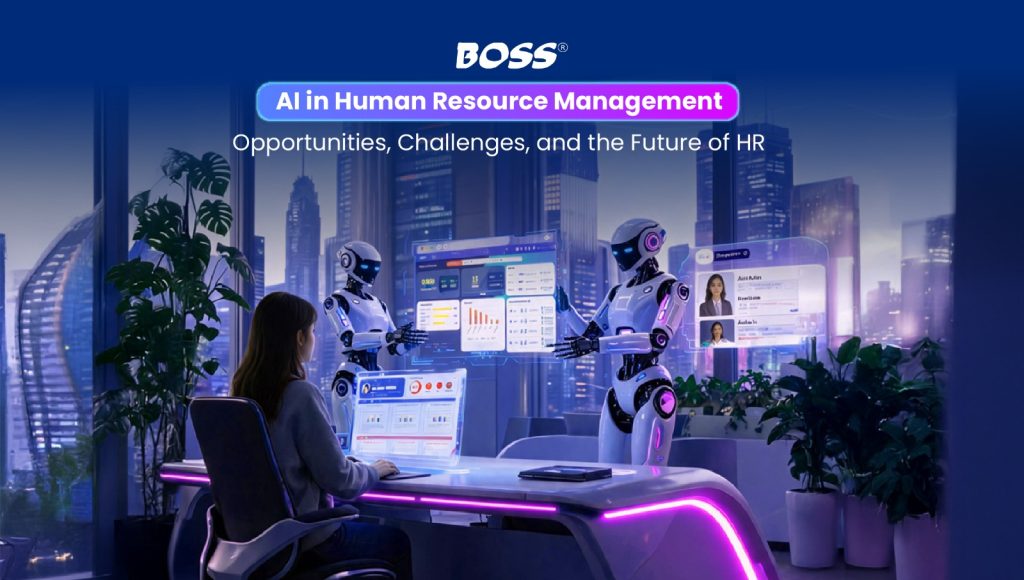
Artificial Intelligence (AI) is transforming the way businesses operate, and Human Resource Management is no exception. Once viewed as a technology for automating repetitive tasks, AI is now helping HR teams improve decision-making, enhance employee experiences, and streamline workforce management. However, AI is not about replacing HR professionals. Instead, it acts as a powerful tool that allows HR teams to work more efficiently while focusing on the human side of people management. As more organizations embrace digital transformation, understanding both the opportunities and challenges of AI has become increasingly important.
How AI Is Changing Human Resource Management
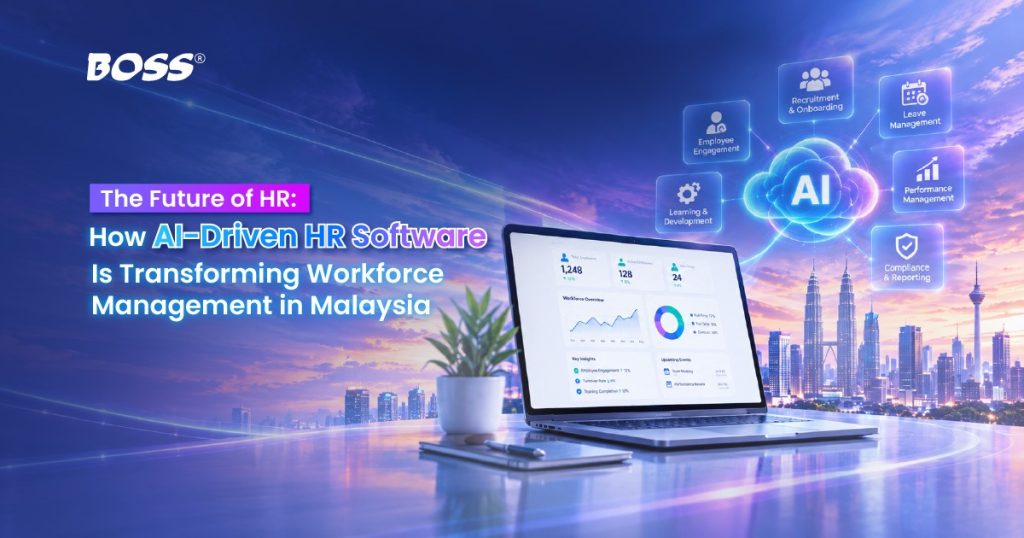
AI can support HR throughout the entire employee lifecycle, from recruitment to employee development and even offboarding. By automating routine processes and providing valuable insights, AI enables HR professionals to spend more time on strategic initiatives.
Smarter Recruitment
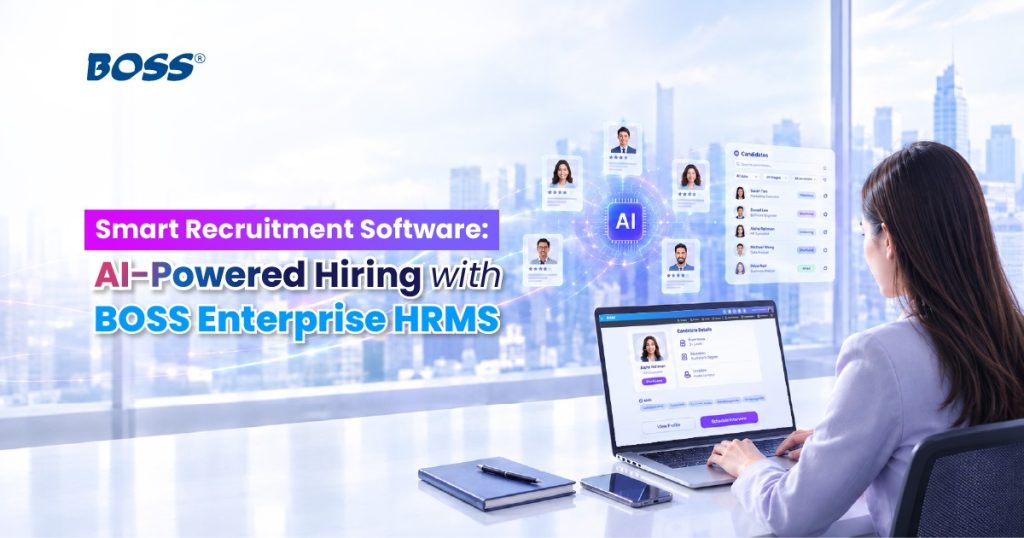
Recruitment often involves reviewing hundreds of applications, scheduling interviews, and communicating with candidates. AI can simplify these tasks by helping HR teams screen resumes, identify suitable candidates, schedule interviews, and answer common applicant questions through chatbots. This allows recruiters to focus on evaluating candidates, building relationships, and making better hiring decisions instead of spending time on repetitive administrative work.
Better Employee Engagement
Keeping employees motivated and engaged is an ongoing responsibility for HR. AI can help identify trends in employee feedback, performance, attendance, and development, allowing HR teams to recognize potential issues before they become larger problems. With these insights, organizations can provide more personalized learning opportunities, career development plans, and employee support programs that contribute to a more positive workplace experience.
Simplifying Compliance
Employment regulations continue to evolve, making compliance an important responsibility for every HR department. AI can assist by monitoring HR processes, identifying potential compliance risks, organizing employee records, and supporting accurate documentation. While AI cannot replace professional judgement, it can reduce manual effort and help HR teams stay organized and prepared.
Faster Onboarding
A positive onboarding experience helps new employees become productive more quickly. AI can automate many onboarding activities such as preparing documents, assigning training, answering common questions, and guiding new hires through company procedures. This allows HR professionals to spend more time helping employees integrate into the company culture instead of handling paperwork.
Supporting Performance Management
Performance management should be an ongoing process rather than an annual event. AI can help managers track goals, monitor progress, identify skill gaps, and recommend learning opportunities. With better visibility into employee performance, organizations can support continuous improvement and create more meaningful development plans.
Improving the Offboarding Process
Employee departures are also an important part of the employee lifecycle. AI can simplify administrative tasks such as exit checklists, document management, knowledge transfer, and exit surveys. However, organizations should remember that offboarding often involves sensitive conversations, where personal interaction remains valuable. Technology should support the process, not replace genuine human communication.
Benefits of AI in HR
When implemented effectively, AI offers several advantages for organizations.
- Increased Efficiency: Many repetitive HR tasks can be automated, allowing HR professionals to focus on strategic initiatives such as talent management, workforce planning, and employee development.
- Better Decision-Making: AI can analyze large amounts of workforce data and present useful insights that support more informed HR decisions.
- Improved Employee Experience: Employees benefit from faster responses, self-service tools, personalized learning, and smoother HR processes, creating a more convenient workplace experience.
- Greater Scalability: As organizations grow, AI helps HR teams manage increasing workloads without significantly increasing administrative effort.
Challenges to Consider
While AI offers many benefits, successful implementation also requires careful planning.
- Data Privacy and Security: HR manages sensitive employee information. Organizations must ensure that AI systems protect personal data and comply with privacy regulations.
- Bias in Decision-Making: AI is only as reliable as the data it learns from. If not properly monitored, automated systems may unintentionally introduce bias into recruitment or performance evaluations. Human oversight remains essential.
- Ethical Considerations: Organizations should use AI responsibly by maintaining transparency, accountability, and fairness in all HR decisions.
- Maintaining the Human Touch: Human Resource Management is ultimately about people.
While automation improves efficiency, many HR activities—including coaching, conflict resolution, employee recognition, career discussions, and difficult conversations—require empathy, judgement, and genuine human interaction that technology cannot replace.
The Future of AI in HR
AI is becoming an increasingly valuable partner for HR professionals. Rather than replacing people, it enhances HR’s ability to make better decisions, improve operational efficiency, and deliver a better employee experience. The most successful organizations will combine the speed and intelligence of AI with the empathy, leadership, and critical thinking of HR professionals. Technology can automate processes, but building trust, developing talent, and creating a positive workplace culture will always require a human touch.
AI is reshaping Human Resource Management by making HR processes faster, smarter, and more efficient. From recruitment and onboarding to performance management and compliance, AI helps organizations improve productivity while supporting better workforce decisions.
However, AI should be viewed as a tool—not a replacement for HR professionals. The greatest value comes when organizations combine intelligent automation with experienced HR leadership.
By striking the right balance between technology and people, businesses can build a more agile, engaged, and future-ready workforce.